
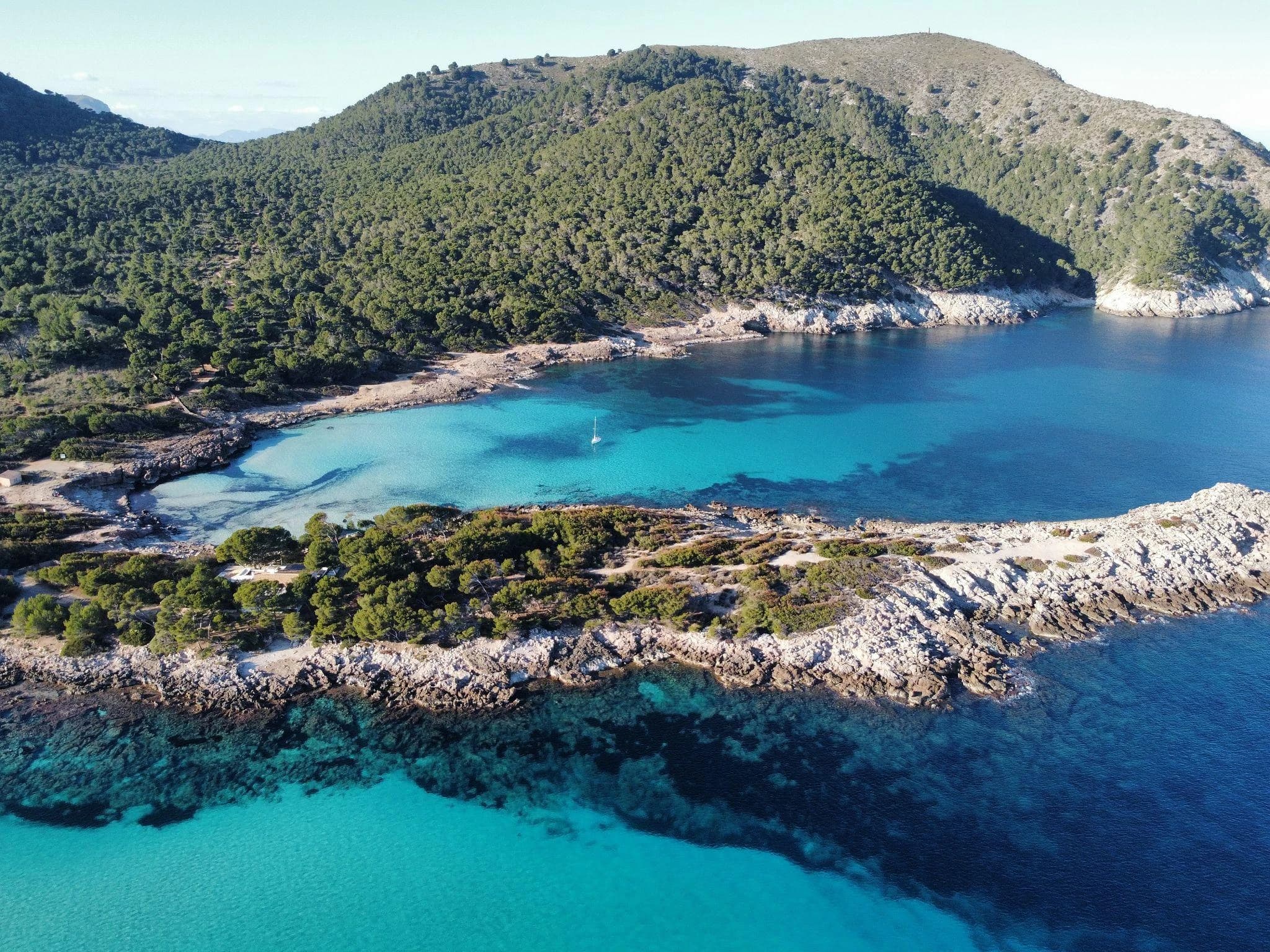
Relocating to Mallorca
A practical, step-by-step guide to the paperwork, admin, and essentials of moving to the island.
Quick Checklist
Tick these off in order — each one unlocks the next.
Before You Arrive
Book your NIE appointment
CriticalThe NIE (Número de Identificación de Extranjero) is your foreign ID number — you need it for almost everything. Book an appointment at the Comisaría de Policía or via the Cita Previa website. Slots fill up weeks in advance.
Prepare your documents
DocumentsBring your passport (original + 2 copies), a filled EX-15 form, proof of reason for residence (work contract, financial means, or study enrollment), and two passport photos. Non-EU nationals need additional supporting documents.
Open a Spanish bank account
FinanceMany landlords and utility companies require a Spanish bank account. N26, Wise or Revolut work as bridges — but a traditional account (CaixaBank, Sabadell) is often required for direct debits. Some banks allow online pre-registration.
First 30 Days
Register on the Padrón Municipal
OfficialThe Padrón is the municipal register — you register at your local Ajuntament (town hall). You'll need your passport and proof of address (rental contract or homeowner permission). It's required to access healthcare, schools, and to apply for residency.
Get your TIE (residency card)
OfficialEU citizens apply for the Certificado de Registro de Ciudadano UE. Non-EU residents apply for the TIE card. Both done at Extranjería or via a gestor. The TIE is a physical card and takes 4–6 weeks to arrive.
Register with a doctor (CAP)
HealthGo to your nearest CAP (Centre d'Atenció Primària) with your Padrón certificate and passport. You'll be assigned a GP. If you have private health insurance (Sanitas, Adeslas, Asisa), this step is optional — but the public system is solid.
Get a Spanish SIM card
PracticalA local number makes everything easier — banking, appointments, landlords. Orange, Movistar, and Yoigo have good coverage island-wide. Digi is cheapest for data. Many require your NIE to register officially.
First 3 Months
Sort your rental contract
HousingLong-term rentals (1 year+) are regulated differently from tourist rentals. Make sure your contract is a proper Contrato de Arrendamiento de Vivienda (LAU). A deposit of 1–2 months is standard. Budget €700–€1,400/month for a flat outside Palma.
Set up utilities (agua, luz, gas)
PracticalElectricity (endesa, iberdrola) and water (EMAYA in Palma) need to be transferred to your name or set up fresh. You'll need your NIE, bank details, and the property's CUPS code. Allow 2–5 working days. Gas is not available everywhere — many homes use butane.
File as autónomo (if self-employed)
FinanceIf you're freelancing or self-employed, you need to register as autónomo with the AEAT (tax office) and Social Security within 60 days of starting work. A gestor is worth every cent here — expect €50–€100/month for their service.
Get a gestor
RecommendedA gestor is a licensed administrative consultant who handles tax filings, NIE renewals, residency paperwork, and more. Not legally required but almost universally recommended. English-speaking gestores are available across Palma.
Insider tips
Book NIE early
Appointments disappear fast — especially in spring and autumn. Use the official Cita Previa portal or book through a gestor who does it for you.
Learn basic Spanish
Many admin offices outside Palma have limited English. A few phrases for appointments goes a long way. Catalan (Mallorquí) is the co-official language but Spanish always works.
Photocopy everything
Carry originals and at least 2 copies of every document to every appointment. Spanish admin offices will keep the copy — you'll want the original back.
Requirements change. Always verify with an official source or a licensed gestor before acting. Last reviewed May 2026.